Most coaches who come to me have already tried Meta ads. They’ve spent the money, seen a few likes and maybe some new followers, and come away convinced that ads just don’t work for coaches.
Ads do work for coaches. But the money usually leaks out through the same handful of mistakes, and most of them have nothing to do with how big your budget is.
At Business Beyond Realms, we run Meta ads for service-based businesses, including a lot of coaches. These are the mistakes I see most often, what they cost you, and what to do instead.
Mistake 1: Thinking Boosting a Post Is the Same as Running Meta Ads
This is the most expensive mistake I see, and it’s the most common one too.
Coaches who are active on Instagram and Facebook see the “Boost post” button, put some money behind a post that did well, and assume they’re running Facebook ads. They genuinely don’t know there’s a difference.
Boosting does give you traction. You’ll get more reach, more likes, maybe a few comments. But ask yourself one question: what’s the measured outcome? How many leads did that boost bring in? How many bookings? How many paying clients? Most coaches can’t answer, because a boost isn’t built to answer that.
What Targeted Meta Ads Do Differently
When you run proper ads through Ads Manager, you tell Meta exactly what result you want, whether that’s leads, registrations, or purchases. Meta then optimises for that result, and you can see what each one costs you.
That’s the difference between paying for attention and paying for results. I’ve seen coaches pour months of budget into boosts, feel busy and visible, and have nothing to show for it on the client side. That money was wasted. It didn’t buy them anything they could measure.
Mistake 2: Running Ads Without the Pixel and Backend Set Up Properly
When coaches do move past boosting and set up real campaigns, the next problem is usually under the hood.
When I audit a coach’s ad account, I often find the Meta pixel isn’t set up properly, or isn’t set up at all. The pixel is what tells Meta who actually took action on your website, like signing up, booking, or buying. Without it, Meta has no idea which people to find more of, and you have no reliable way to tell which ads are working.
Alongside that, I usually see a lot of experimenting without a plan. A new audience here, a new image there, a different objective next week. There’s no structure, so there’s nothing to learn from. You’re just spending money and hoping.
It’s rarely only the ads, either. Often the landing page isn’t set up right, or the backend isn’t there: no automation, no follow-up, and no clear next step after someone signs up. If any of these pieces are broken, even a great ad will leak money.

Mistake 3: Targeting Too Narrowly and Not Giving Meta Time to Learn
When coaches run their own ads, they almost always try to narrow the audience as much as possible. This exact location, this exact age, these exact interests. “That’s my ideal client, and I only want to reach them.”
I understand the thinking, but it doesn’t work like that.
Meta needs room to figure out who is clicking and who isn’t. If you squeeze the audience down too tightly from day one, you take away its ability to find the people who actually respond. At the start, your targeting needs to be a bit broader so the algorithm can do its job.
Respect the Learning Phase
Ads don’t work right off the bat. Every new campaign goes through a learning phase, where Meta tests and works out what’s performing and what isn’t.
The mistake I see is coaches panicking after a few days, switching everything off, changing the audience, or rewriting the ad. Every time you do that, you restart the learning, and the money you spent teaching Meta is gone. Give it time before you judge it.
Mistake 4: Rambling Video Ads and Messaging That Speaks to No One
Targeting gets most of the attention, but it’s only part of the picture. Your creative and your messaging play a major role in whether an ad works.
The biggest creative issue I see with coaches is video ads with no script. They hit record and talk, and the message wanders. There’s no hook to stop the scroll, no clear point, and no reason for the viewer to keep watching.
A Simple Structure for Coaching Video Ads
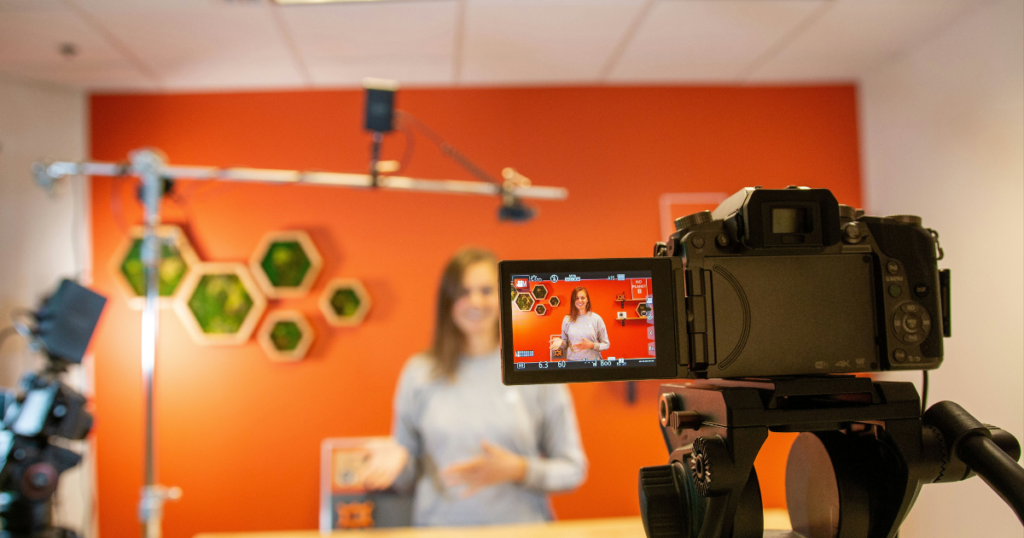
A good coaching video ad follows a clear flow:
- A hook that grabs your ideal client’s attention in the first few seconds
- An elevator pitch that says who you help and what you help them do
- Their pain points, described the way they’d describe them
- The solution, which is your offer and why it solves that pain
When coaches follow this structure, their videos become shorter, sharper, and far more effective than talking off the cuff.
Get Clear on Who You’re Talking To
None of this works unless you’re crystal clear on your ideal client. Who exactly are you talking to? What are they struggling with right now? What do they want instead?
If you can’t answer those questions, your ad will try to speak to everyone and end up connecting with no one. Targeting, creative, messaging and the offer all work together. If one piece is off, the whole thing underperforms.
Mistake 5: An Offer That Isn’t Built to Convert
Sometimes the ads do exactly what they’re supposed to do, and the money is still wasted because of what happens after people show up.
When the Ads Worked but the Event Didn’t Sell
We ran event ads for one of our coaching clients. Instead of offering a freebie, we invited people to a low-ticket event: a paid relaxation session. The plan was for her to turn attendees into paying clients from there.
The ads brought people in. But the offer wasn’t strong enough, and the event didn’t build a sales mindset. She wasn’t pitching anything. People thought it was just an event, so they came, enjoyed it, and went home. They didn’t convert.
The lesson for me was clear. A low-ticket event has to be more than a nice experience. The session needs to be so impactful that people walk out wanting more, and there needs to be a clear, confident invitation to take the next step.
Why I Prefer Low-Ticket Events Over Freebies

This is one of my strong opinions. Freebies are hard to convert. Someone who downloads a free guide hasn’t committed to anything.
Someone who pays for a low-ticket event, like a relaxation retreat or a single session, has already shown they’re willing to invest. That makes it much easier to move them to a paying client.
But it only works if:
- The offer is genuinely irresistible
- The experience blows people away
- You actually make an offer at the end, instead of hoping they’ll ask
Mistake 6: Running Coaching Ads Like You’re Selling a Product
This is where I disagree with a lot of the generic ad advice out there. Much of it is written for product-based businesses, and selling coaching is a completely different game.
When someone is looking for a product, they already know they want it. They’re searching for it, so you just need to show up and make the sale.
Coaching doesn’t work that way. Most people don’t wake up searching for a coach. You have to go the extra mile to convince them that they need coaching at all, and that you’re the right person to help. That takes education.
Warm Up Your Audience Before You Ask
Today’s audiences are smart and very aware. They don’t buy just because an ad told them to. So before you ask for the sale, you need to deliver real value. That means:
- Running video view ads to warm up a cold audience
- Sharing plenty of genuinely useful free content, so people see you know what you’re talking about
- Retargeting the people who engaged, because they’re already warmer
- Leading them to a low-ticket offer first, then upselling to your high-ticket programme
When people have been nurtured like this and then meet an irresistible offer, they don’t want to miss out. That’s when coaching ads start to pay for themselves.
What It Looks Like When It Works: A Case Study
To show what happens when the pieces come together, here’s one of my favourite results.
Where They Started
We worked with a coach who offers high-ticket personal coaching for financial advisors. Before working with us, they were running ads themselves. They’d push freebies to collect leads, then try to convert those leads into high-ticket clients through email marketing alone.
It’s a common setup, and it’s a hard one to make work. Expecting a free download and a few emails to sell a premium coaching programme is a lot to ask.
What We Changed
Instead of relying on email to do all the selling, we built a system with several paths to a sale:
- Lead generation on Meta and LinkedIn, using a freebie that was genuinely strong and attracting the right people
- Qualifying questions on the landing page, so we could spot the best-fit leads and collect their phone numbers
- A sales rep calling qualified leads to have a real conversation and convert them into paying clients
- A parallel campaign for a free workshop, which drew in ideal clients who were interested in the topic
- A pitch for the high-ticket offer at the end of the workshop, followed by email follow-up for anyone who didn’t buy on the spot

The Results
These are the real numbers from the client’s tracking sheets across six months of campaigns. Monthly ad spend ranged from about $2,500 in quieter months to just under $12,000 at its peak.
Across those six months:
- Total ad spend: about $41,300
- Total leads: 813, at an average of about $51 per lead
- Qualified leads: 344, at about $120 per qualified lead
- Lead magnet leads: as low as $22 each in the best month, averaging about $32
- New high-ticket clients from the ads: 3, which works out to roughly $13,800 in ad spend per client
Why We Measure Qualified Leads, Not Just Leads
Look at one month on its own. In May, the ads brought in 300 leads at about $36 each. On paper, that looks fantastic.
But only 76 of those 300 were qualified, meaning real, active prospects with valid contact details. The true cost per qualified lead that month was about $143. If we’d only looked at cost per lead, we’d have been celebrating the wrong number.
That’s exactly why we added qualifying questions to the landing page and tracked every stage after the click. From May to July, the journey looked like this:
- 550 leads
- 190 qualified leads
- 35 intro calls
- 23 strategy calls
- 15 offers made
- 2 new high-ticket clients
Every stage drops off, and that’s normal. What matters is knowing where people drop off, so you can fix the right thing instead of blaming the ads.
High-Ticket Results Come in Waves
Not every month closed a client. Some months brought one, and some brought none. With a high-ticket programme, that’s normal, and it’s why I tell coaches to judge a campaign over months, not days. When your programme is priced right, one new client can cover several months of ad spend.
And the difference here wasn’t a magic ad. It was having a proper system behind the ads: qualified leads, real conversations with a sales rep, a workshop that actually pitched, and consistent follow-up.
Before You Spend Another Dollar on Meta Ads
If you’re a coach thinking about running Meta ads, or you’re already running them and not seeing results, check these first:
- Stop relying on boosted posts. Use Ads Manager and choose an objective tied to a real business result.
- Set up your pixel properly so Meta can track actions and find more of the right people.
- Start with broader targeting and let Meta learn who responds.
- Give the learning phase time instead of switching things off after a few days.
- Script your video ads with a hook, elevator pitch, pain points, and solution.
- Get clear on your ideal client and speak directly to their struggles.
- Make your offer irresistible, and consider a low-ticket event over a freebie.
- Build the backend: a landing page that converts, qualifying questions, follow-up, and a clear path to the sale.
- Nurture before you sell, because coaching needs education and trust before people buy.
Meta ads aren’t a magic button, and they’re not a waste of money either. They amplify whatever you already have. If your offer, messaging, and follow-up are strong, ads will bring you more clients. If they’re not, ads will just help you lose money faster.
If you’d like a second pair of eyes on your ads before you spend any more, that’s exactly what we do at Business Beyond Realms. We’ll look under the hood, show you where the money is leaking, and help you build a system that turns clicks into clients.